What to check before buying resin patio dining sets
Outdoor dining furniture takes more wear than many indoor pieces. Sun, rain, food spills, moving feet, and seasonal storage all put pressure on frames, finishes, and joints. A practical purchase starts with the conditions where the furniture will sit and the way the space is used. Nardi outdoor furniture is often considered for patios, dining areas, poolside settings, gardens, and commercial spaces, so the same core questions apply whether the setting is a small balcony or a busy restaurant terrace.
The aim is not to find a perfect piece for every situation. It is to match the furniture to the site, the users, and the level of care that is realistic. A resin chair that suits a sheltered courtyard may not be the best choice for an exposed deck with harsh afternoon sun. A compact set that works for two people may feel cramped when guests arrive. Before comparing styles, check the points below and note which ones matter most.
Frame material and finish
Start with what the frame is made from and how it is finished. Resin material is valued in outdoor settings because it can handle moisture without the same concerns that come with untreated steel or some woods. It is also usually easier to wipe clean than many natural materials. That does not mean every resin product performs the same way. Look for a smooth, even finish, consistent color, and edges that look clean rather than rough.
Powder coated metal, teak, wicker, and resin each age differently. Resin tends to be more forgiving around pools and in humid areas, while metal can feel sturdy but may need closer attention to coating damage. Timber has a warm look but brings a different maintenance rhythm. The right choice depends on the setting and how much upkeep is acceptable.
Weather resistance in the real setting
Weather resistance is more than a label on a product page. Think about the site itself. Does the furniture sit in full sun for most of the day? Is it exposed to heavy rain, coastal air, pool splashes, or frost? Is there somewhere shaded or covered where pieces can be moved during rough weather?
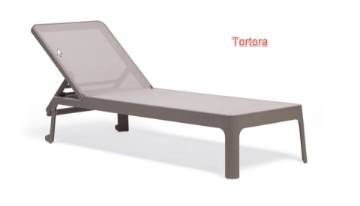
Ask how the material behaves when wet and how quickly it dries. Check whether the feet allow water to run off instead of trapping it. Look at slats, seams, and joints, since these are common places where dirt and moisture collect. If furniture will stay outdoors year round, pay closer attention to color stability, surface texture, and the way the structure handles temperature changes.
Comfort that lasts through a meal
A dining chair can look good and still be uncomfortable after a short meal. Seat comfort comes from shape, depth, back support, and the angle between seat and backrest. A slightly curved seat may feel better than a flat one. A backrest that supports the lower and mid back is useful for longer dinners.
Check whether cushions are required. Cushions can add softness, but they also need storage, cleaning, and drying time. Resin seats with a well shaped surface may be easier for everyday use, especially around a pool or in a busy dining area. If cushions are part of the plan, confirm that the seat depth leaves room for them without making the chair feel tight.
Size, spacing, and the table
Measure the space before falling for a design. A chair needs room to pull back, and people need room to pass behind a seated guest. A table that is too large can dominate a patio, while a table that is too small makes place settings feel crowded.
Pay attention to chair dimensions and table height together. Standard dining tables usually sit higher than coffee tables, so low lounge style seats may not work at a dining setting. Check the seat height, arm height, and overall width. Armrests can feel supportive, but they can also stop a chair from tucking neatly under a table. In tight areas, armless designs may be easier to place.
The shape of the table matters too. Round tables make conversation easy and can soften a small patio. Rectangular tables suit longer spaces and larger groups but need more clearance. Extending tables offer flexibility, though the mechanism and stored leaves should be easy to manage. For commercial spaces, circulation and turning space deserve as much attention as the furniture itself.
Strength, stability, and daily use
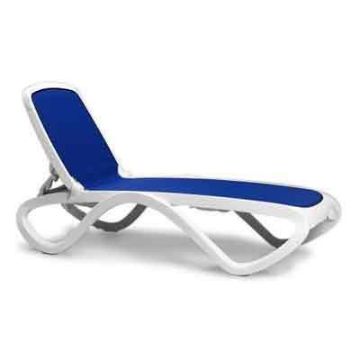
A stable chair should not rock, twist, or feel light in the wrong way. Check how the legs meet the seat and how the backrest connects to the frame. Repeated movement can loosen weak joints over time. Stackable chairs are useful where furniture is cleared after service or stored between seasons, but stacking can rub surfaces, so edge finish and stack design matter.
Think about who will use the furniture. A family patio may need pieces that tolerate dragging, spills, and changing seating arrangements. A pool area may need chairs that dry quickly and do not hold water in the seat. A commercial dining area may call for pieces that can be moved, cleaned, and reset often. The best choice is usually the one that fits the daily routine, not just the look in a showroom image.
Storage and maintenance needs
Storage is easy to overlook until the furniture needs to be moved. Stackable chairs help when space is limited. Lightweight pieces are simpler to shift for cleaning or storms, though very light furniture can feel less grounded in windy spots. If pieces will be stacked, leave enough space and avoid forcing them together.
Maintenance needs should be simple enough to repeat. Resin surfaces are usually cleaned with mild soap, water, and a soft cloth. Grit can scratch finishes, so rinse away sand before wiping. Avoid harsh tools or strong cleaners unless the manufacturer allows them. For metal parts, check for chips around joints and feet. For any material, a quick inspection at the start of the season can catch small problems before they spread.
When comparing outdoor dining chairs, look beyond the surface color and match the shape to the table, the space, and the way meals actually happen. A chair that feels comfortable, sits level, and fits the available room will matter more over time than a trendy detail.
Style, color, and how the space works
Once the practical points are clear, style can do its job. Neutral tones tend to blend with many settings, while stronger colors can give a patio a clear character. Light colors may feel cooler in sun, but they can show marks more easily. Dark colors can look sharp, though they may absorb more heat. Consider the surrounding paving, planting, walls, and pool water before deciding.
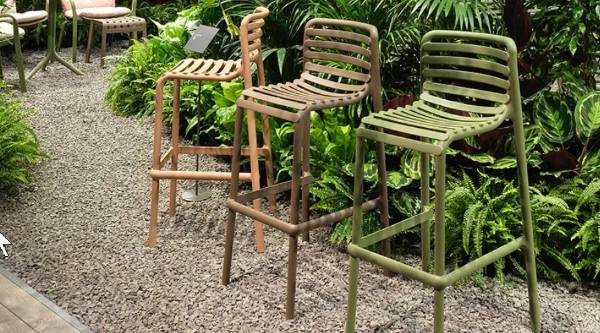
Repeat a few design cues to make the area feel settled. Matching the chair finish to the table base, planters, or railing can create a sense of order without making everything identical. Mixed pieces can work well too, as long as the proportions and finishes share something in common.
Comfort, durability, and fit should lead the decision. Good outdoor furniture does not need to be complicated, but it does need to suit the place where it will be used. Check the material, the build, the dimensions, the storage needs, and the care routine before choosing. Well chosen outdoor dining chairs then become part of the space rather than a set that constantly needs attention or replacement.